
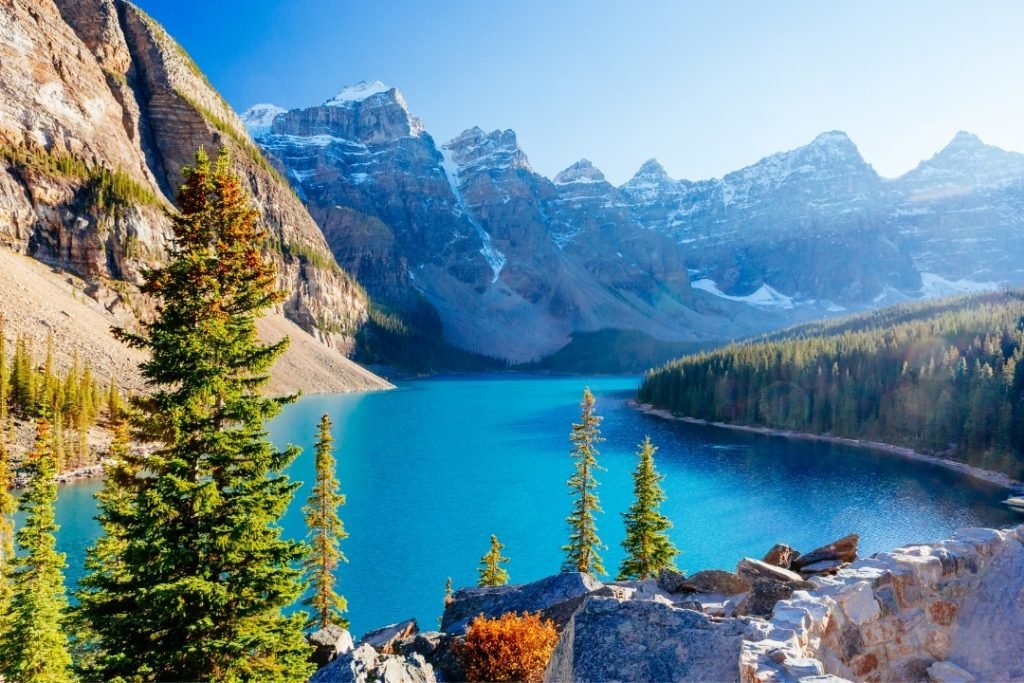

Introduction
Traveling around the world provides opportunities to discover beautiful places, experience different lifestyles, and learn about unfamiliar cultures. Many people prefer visiting famous tourist attractions because they are popular and easy to recognize. However, some of the most interesting travel experiences can be found in destinations that receive less attention.
Hidden travel destinations may include peaceful villages, quiet beaches, mountain communities, historical neighborhoods, and natural locations away from crowded tourist areas. These places can offer visitors a different perspective on local life and provide opportunities to enjoy more personal experiences.
Discovering lesser-known destinations requires research, curiosity, and proper planning. With the right approach, travelers can find interesting locations that match their interests and budgets.
1. Research Beyond Popular Tourist Attractions
Most travel guides focus on well-known cities and famous landmarks. Although these attractions are worth visiting, they do not represent everything a destination has to offer.
Travelers should explore regional guides, local tourism information, maps, and community recommendations to discover additional places.
Small towns and countryside locations may contain historical buildings, traditional markets, beautiful walking routes, and local attractions that are not widely advertised.
Looking beyond popular destinations can help travelers develop more interesting itineraries.
2. Explore Local Communities
Local residents often understand their surroundings better than anyone else. They may know about beautiful parks, traditional restaurants, cultural events, and scenic locations that visitors rarely discover.
Speaking respectfully with local people can provide useful information about places worth visiting.
Travelers should approach these conversations politely and avoid expecting residents to share private or restricted locations.
Local knowledge can make travel experiences more authentic and informative.
3. Use Maps and Digital Travel Resources
Digital maps have made exploring unfamiliar destinations much easier.
Travelers can use maps to identify nearby attractions, walking routes, transportation facilities, natural parks, and historical locations.
Online travel resources can also help people compare destinations and collect practical information before departure.
It is useful to verify opening hours, accessibility, and current travel conditions rather than relying entirely on old recommendations.
4. Visit During Less Crowded Seasons
Traveling during quieter periods can make certain destinations more enjoyable.
Popular attractions may become crowded during school holidays, festivals, and peak tourist seasons. Visiting during less busy months can provide more opportunities to explore comfortably.
However, travelers should research seasonal weather and local transportation before selecting travel dates.
Some natural destinations may become difficult to access during certain weather conditions, so preparation is essential.
5. Discover Rural and Natural Landscapes
Rural destinations often provide a different experience from large cities.
Visitors may discover traditional farming communities, beautiful countryside views, forests, lakes, and mountain landscapes.
These environments offer opportunities for walking, photography, cycling, and learning about local lifestyles.
Travelers should respect private property, follow marked routes, and avoid disturbing wildlife.
Natural areas should always be explored responsibly to protect their beauty and environmental value.
6. Learn About Local History
Historical research can help travelers identify interesting destinations that are not always included in popular tourist itineraries.
Old buildings, traditional settlements, historic bridges, and local museums can reveal important information about regional development.
Before visiting, travelers can read about the historical importance of these locations.
Understanding their background makes the experience more educational and meaningful.
7. Plan Transportation Carefully
Hidden destinations may not always have convenient transportation facilities.
Travelers should research available buses, trains, local taxis, and other transportation services before making reservations.
For remote locations, it may be necessary to arrange transportation in advance.
Visitors should also check road conditions and accessibility, particularly when traveling through mountainous or rural regions.
Proper transportation planning can prevent unnecessary delays and make journeys more comfortable.
See also: Accounting Services for Toronto Small Businesses: What’s Included and What You Need
8. Choose Affordable Accommodation
Lesser-known destinations may provide different accommodation options, including guesthouses, family-run hotels, and small independent properties.
Travelers should compare prices, read recent reviews, and check the location before booking.
Choosing accommodation close to important attractions can reduce transportation expenses.
It is also important to verify safety, available facilities, and cancellation policies.
9. Find Inspiration for Your Next Journey
Finding new destinations can be easier when travelers regularly explore travel articles, photography, destination guides, and cultural information.
These resources can introduce people to places they may never have considered visiting.
People interested in discovering new Destinations can use travel inspiration to research different regions, compare experiences, and prepare future journeys.
Collecting ideas from multiple sources can help create a balanced travel plan.
10. Respect the Places You Discover
Less popular destinations may have limited facilities and smaller communities. Visitors should avoid creating unnecessary environmental or social problems.
Carrying rubbish back, respecting local traditions, and supporting independent businesses are useful practices.
Travelers should also avoid sharing information about sensitive natural or cultural locations when doing so could encourage overcrowding or damage.
Responsible behavior helps preserve lesser-known destinations for future visitors.
Conclusion
Discovering hidden travel destinations can make journeys more interesting, educational, and memorable. Exploring local communities, researching regional attractions, visiting rural areas, and learning about history can introduce travelers to experiences beyond traditional tourist routes.
Good planning and responsible behavior are essential when visiting unfamiliar locations.
By remaining curious and respecting local environments, travelers can discover beautiful destinations while helping preserve the unique characteristics that make each place special.
