ByJohn A
Benefits of Decentralized Web Platforms
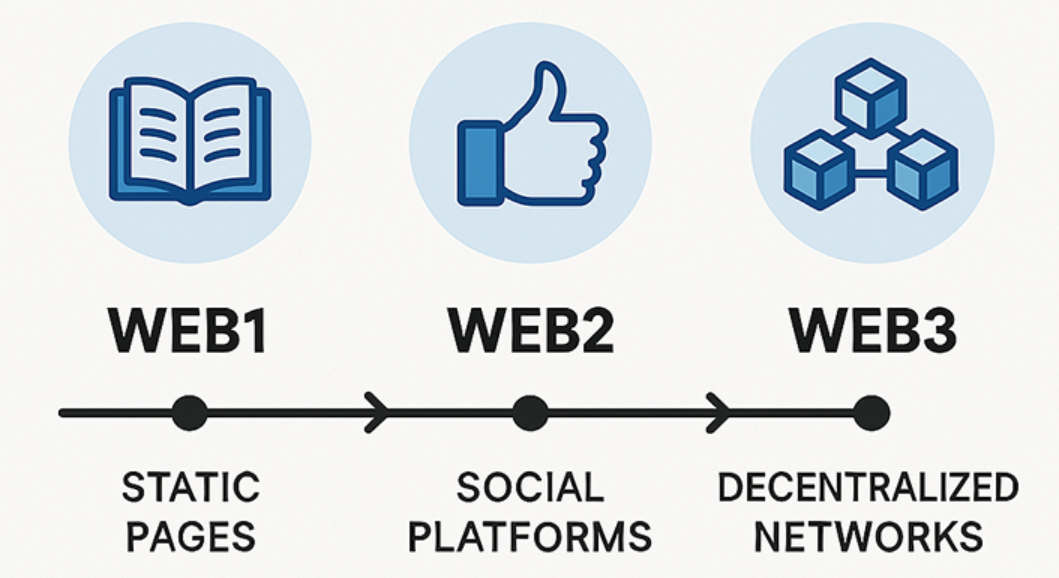
Decentralized web platforms shift control toward users, promoting shared governance and clearer rules. They offer tangible benefits in ownership, privacy, and resilience through cryptographic protections and reduced gatekeeping. Interoperability and open standards enable value exchange across ecosystems and data portability. Adoption is modular and gradual, balancing freedom with practical trade-offs. The approach invites scrutiny of real-world trade-offs and implementation paths, leaving a gap that invites the next questions about practicality and impact.
How Decentralization Shifts Control to Users
Decentralization redistributes authority from centralized entities to individual users, enabling participants to influence rules, governance, and data practices directly.
This shift reframes power as shared stewardship, where accountability rests with participants and platforms alike.
The result emphasizes decentralization ethics and transparent processes, guiding decision making.
User governance emerges as a practical framework, aligning incentives, reducing gatekeeping, and fostering accountable, liberty-preserving collaboration.
Real-World Benefits: Ownership, Privacy, and Resilience
Ownership, privacy, and resilience are the core real-world benefits that decentralized web platforms offer. By distributing control, users adopt transparent ownership models that clarify rights, participation, and accountability. Privacy protections safeguard data through cryptographic techniques and user-centric consent. This framework reduces single-point failures, enhances uptime, and strengthens resilience, enabling freer collaboration while preserving autonomy and preventing centralized overreach.
See also: Benefits of Digital Adoption Solutions
How Platforms Interact: Interoperability and Open Standards
Interoperability and open standards define how decentralized platforms exchange value, data, and services without centralized mediation. This openness enables adsorption compatibility across protocols, ensuring data portability and user control while reducing vendor lock-in.
Governance semantics codify decision rights and change processes, aligning diverse ecosystems. Clear interfaces and common contracts minimize friction, fostering scalable collaboration and resilient, user-centric interoperability across heterogeneous networks.
Practical Adoption: Challenges, Trade-offs, and Getting Started
Practical adoption of decentralized web platforms presents a host of real-world constraints, trade-offs, and implementation steps that organizations must navigate.
Organizations weigh privacy tradeoffs against performance and control, balancing security with usability.
Onboarding friction remains a key barrier, requiring thoughtful tooling, education, and gradual migration.
Decision-makers pursue modular, interoperable architectures to minimize disruption while preserving sovereignty and long-term adaptability.
Frequently Asked Questions
How Secure Is User Data on Decentralized Platforms?
The data on decentralized platforms is secure but varies; ownership remains with users, not providers. Security depends on design, governance, and cryptography. Data ownership and cross chain interoperability influence resilience and user control, yet trade-offs persist.
Do Decentralized Apps Require Crypto Wallets?
Yes, decentralized apps often require crypto wallets to interact and transact, though some also support walletless access; crypto wallets store keys and enable consent-based transactions, while user identities can be pseudonymous or self-sovereign within the system.
Can Legacy Services Still Access Decentralized Networks?
Legacy services can access decentralized networks via legacy gateways and interoperable protocols, though limitations exist; interoperability protocols enable bridging, while legacy gateways translate between familiar interfaces and decentralized layers, preserving access freedom with caution about security and governance tradeoffs.
What Costs Are Involved in Hosting on DWEB?
Costs involve hardware, bandwidth, storage, and maintenance, plus governance challenges across nodes; incentives matter. The rhythm of coins and contracts symbolizes trade-offs, with transparency guiding decisions as networks balance cost considerations against resilience and freedom-oriented governance.
How Is Content Moderation Handled in Decentralization?
Content governance in decentralization relies on consensus, modular moderation, and community norms. Trust metrics gauge reliability; data sovereignty protects user control, while interoperability enables cross-platform enforcement and critique within a plural ecosystem, balancing freedom with accountability.
Conclusion
Decentralization promises a reallocation of control, but the outcome remains unsettled. As ownership, privacy, and resilience shift toward users, the landscape grows more complex, demanding careful navigation of trade-offs and governance. Interoperability and open standards offer pathways, yet adoption marches through uncharted territory. The advantages are tangible, but the path is gradual and uncertain. In the balance between empowerment and disruption, one question lingers: will these evolving ecosystems withstand test, time, and evolving incentives to prove the promise?