ByJohn A
Cambodia to Japan: One Trip, Two Content Styles
Few travel routes demand as much creative range as Cambodia to Japan in the same trip. One leg calls for slow, unpolished, story-driven content shot on the fly in rural temples and floating villages. The other demands sharp, fast-turnaround content that keeps pace with one of the most visually saturated destinations online. Switching between the two without losing quality on either side is where most solo creators start falling behind.
Why This Route Pushes Creators in Two Different Directions
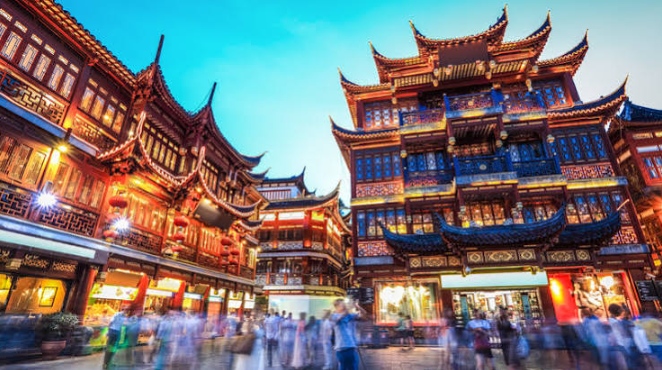
Cambodia rewards patience and presence, with content that works because it feels unrushed, close to daily life, and light on production polish. Japan rewards the opposite: tight editing, fast cuts, and visually dense content that competes with an enormous volume of existing creator work covering the same cities and landmarks.
Staying connected while producing either style matters just as much as the creative choices themselves, since uploading, backing up footage, or replying to a brand mid-shoot all depend on reliable data. Setting up an eSim for Cambodia before arrival means you’re not losing footage or missing an upload window while hunting for connectivity in a country where local SIM availability varies a lot by region.
What Makes Cambodia-Style Content Actually Work
Content from Cambodia performs best when it resists the urge to over-produce, since the appeal for most viewers is the sense of being somewhere genuinely unfiltered rather than watching a polished travel commercial. Overproducing this kind of content usually strips out exactly what made it worth watching.
A few things separate content that resonates from content that feels staged:
- Letting a scene run a beat longer than instinct says to, rather than cutting fast
- Featuring real interactions with locals rather than staged, on-camera moments
- Using natural sound and ambient noise instead of layering music over everything
- Being honest about the harder or less comfortable parts of the trip
- Avoiding the temptation to make rural or lower-income areas look more polished than they are
Creators who resist the urge to apply a high-gloss editing style to this kind of footage usually see stronger engagement, because the rawness is the point.
Shifting Gears for a Fast-Paced Market
Japan asks for almost the opposite creative instinct: tighter pacing, sharper visuals, and content that can hold attention against an enormous existing volume of Japan travel content already online. Viewers arriving at a Japan post have usually already seen dozens of similar videos, so the content needs a clear hook and a reason to keep watching past the first few seconds.
A few adjustments help content stand out in a saturated market:
- Leading with the most visually striking moment instead of building up to it
- Cutting faster and trimming dead air more aggressively than usual
- Finding a specific angle or niche rather than covering the same landmarks everyone else does
- Timing posts around peak interest windows, like cherry blossom or festival seasons
- Layering in practical, useful information that generic content often skips
Arriving already connected removes one obstacle to keeping this pace up. A Japan eSim means content can be uploaded, checked, and responded to in real time even while moving quickly between cities on a tight itinerary, which matters when the whole point of this leg is staying current in a fast-moving content environment.
The Real Challenge: Switching Styles Without Losing Either One
The hardest part of this route isn’t producing either style well on its own, it’s switching between them without one style bleeding into the other. Cambodia content edited with Japan’s pacing instincts feels rushed and loses its authenticity. Japan content shot with Cambodia’s slower, ambient approach can feel flat and underwhelming in a market that expects more polish.
A few habits help maintain the distinction:
- Reviewing footage from each leg separately before editing either
- Setting a deliberate pacing target for each destination before starting a cut
- Resisting the urge to reuse a transition or editing template across both styles
- Getting a second opinion on tone before publishing, especially on the first few posts of a new leg
- Building in editing time between legs rather than editing both simultaneously
Creators who skip this transition step often end up with a feed that feels inconsistent, which can confuse an audience that followed for one specific style.
See also: Edge Computing vs Cloud Computing
Keeping Production Moving While You’re Focused on the Trip
Producing two distinct content styles back to back, on top of actually experiencing the trip, is a genuinely heavy workload for a solo creator, and something usually gives when the schedule gets tight. Editing backlog is the most common casualty, with footage piling up faster than it gets turned into finished content.
This is where offloading the repetitive parts of production makes the difference between a trip that produces a steady stream of content and one that produces a folder of unedited footage. An AI content creation agent can handle first-pass edits, captions, and formatting for each platform, freeing up the creator’s time for the decisions that actually require a human eye: which moments matter, which story to tell, and how to shift tone between two very different destinations. For a creator trying to do justice to both Cambodia’s stillness and Japan’s pace in the same trip, that kind of support is often what keeps the content flowing without sacrificing either style.