
ByJohn A
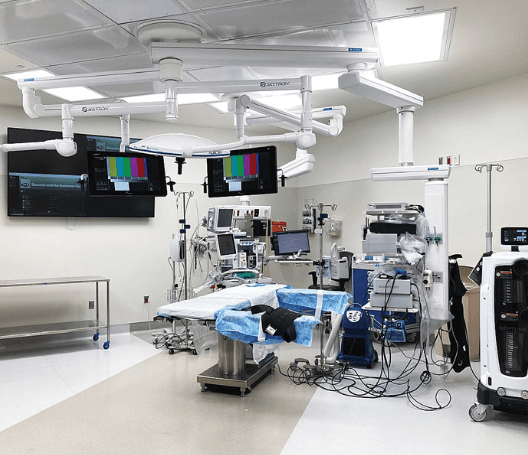
Essential Considerations for Equipping a Modern Orthopedic Operating Room
Orthopedic procedures require a combination of clinical expertise, careful planning, and equipment suited to the task being performed. Whether a surgical team is treating a fracture, addressing joint damage, or correcting a musculoskeletal condition, the availability of appropriate instruments helps maintain an organized and efficient operating-room environment.
Healthcare facilities must consider several factors when building or updating their surgical equipment inventory. These include the procedures performed, compatibility with existing systems, instrument quality, cleaning requirements, and the availability of technical support. A thoughtful purchasing process helps prevent unnecessary expenditure while ensuring that clinical teams have access to the equipment specified for their work.
Understanding the role of different instrument categories and the requirements associated with their use can help hospitals make more effective procurement decisions.
Understanding the Equipment Needs of Orthopedic Surgery
Orthopedic surgery includes a broad range of procedures involving bones, joints, ligaments, and related structures. Because these procedures differ in purpose and complexity, their equipment requirements are not identical.
A hospital performing frequent fracture repairs may need a different collection of instruments from a facility specializing in joint reconstruction or sports medicine. Equipment planning should reflect the actual services offered and the techniques used by qualified surgical professionals.
Assessing Procedure Types
The first step in planning an instrument inventory is to review the procedures performed by the department. Clinical teams can identify the instruments required for common operations and any specialized equipment needed for less frequent cases.
This assessment should consider the surgical approach, relevant implant systems, and the operating-room equipment already available. A clear list of requirements makes it easier to distinguish essential purchases from optional additions.
Supporting an Organized Surgical Workflow
Operating-room preparation involves multiple professionals, including surgeons, nurses, technicians, and sterile processing personnel. Clearly organized instrument sets help these teams identify required items and prepare them before a procedure.
Standardized tray arrangements can also make counting and replenishment more consistent. However, set contents should be reviewed regularly to ensure that they continue to meet clinical requirements.
Common Categories of Orthopedic Equipment
Orthopedic instrument collections may contain tools for bone preparation, positioning, measurement, fixation, and tissue handling. Each category serves a particular function, and the exact selection depends on the planned procedure.
Instruments for Bone Preparation
Some procedures require instruments designed to shape, prepare, or work with bone. These products must be appropriate for the intended use and compatible with the relevant surgical technique.
When purchasing these tools, facilities should confirm the specifications, dimensions, materials, and maintenance requirements. The clinical team should determine which designs are suitable for its procedures.
Drilling and Fixation Equipment
Selected orthopedic procedures use drilling instruments and tools associated with plates, screws, nails, or other fixation systems. These products often have specific dimensions and connection requirements.
Compatibility checks are important because components from different systems may not function as intended together. Hospitals should verify product details against the approved equipment specifications before placing an order.
Grasping and Positioning Instruments
Grasping and positioning tools help clinicians handle structures during selected surgical steps. Design differences may affect reach, grip, access, and ease of manipulation.
The correct instrument depends on the task and the operating surgeon’s established technique. Procurement staff should use precise product descriptions rather than relying on general category names alone.
Measuring and Alignment Tools
Measurement and alignment instruments may be used to support procedural planning and the positioning of selected components. Their required dimensions and functions vary by application.
Facilities should ensure that the selected tools provide the specifications required by the relevant technique and are compatible with any associated equipment.
Evaluating Instrument Quality and Design
Instrument quality affects usability, durability, and maintenance requirements. Hospitals should assess products using technical specifications and appropriate documentation instead of judging them by appearance alone.
Material Selection and Construction
Materials must be suitable for the instrument’s intended application and the required cleaning and sterilization processes. Construction details, including joints, surfaces, alignment, and moving components, can influence how an instrument performs during use.
Procurement teams should request relevant material information and manufacturer documentation. Where the instrument is subject to specific regulatory requirements, those requirements should be verified before purchase.
Ergonomics and Handling
Grip design, balance, weight, and overall shape can influence how comfortably a tool can be handled. These factors may be particularly relevant when instruments are used repeatedly or during lengthy procedures.
If possible, qualified clinical staff should assess sample products or demonstrations. Their feedback can help identify practical concerns before a facility commits to purchasing multiple sets.
Durability and Maintenance
The expected service life of an instrument depends on its construction, frequency of use, handling, reprocessing, and maintenance. Hospitals should review the manufacturer’s care instructions and establish inspection procedures appropriate to the product.
Maintenance planning can help facilities identify instruments that require servicing or replacement before they become unavailable for scheduled procedures.
Choosing a Reliable Supplier
Supplier selection is an important part of equipment planning. Healthcare facilities need products that match their technical requirements and arrive with the necessary information and support.
When comparing orthopedic surgery tools purchasing teams should prepare a detailed specification and use it consistently when requesting quotations. This makes it easier to compare prices without overlooking differences in product design, included accessories, or documentation.
Confirm Product Specifications
Before approving an order, verify the instrument’s name, dimensions, intended use, material details, and compatibility requirements. If a product belongs to a particular implant or equipment system, confirm that it is suitable for that system.
Clarifying these details in writing can reduce ordering errors and simplify the receiving process.
Review Quality and Regulatory Documentation
The documents required for a medical instrument depend on its classification, intended use, and market. Depending on the circumstances, buyers may need manufacturer details, instructions for use, conformity information, material specifications, or other supporting records.
Hospitals should consult their regulatory and quality management teams to establish the applicable requirements. They should also verify that documentation corresponds to the actual product supplied.
Assess Delivery and Technical Support
Procurement teams should confirm stock availability, expected delivery dates, minimum order quantities, and procedures for managing delays or defective products.
For specialized instruments, access to technical guidance, repair services, or replacement components may be valuable. These arrangements should be understood before a purchase is finalized.
Managing Procurement Costs Effectively
A responsible purchasing strategy considers both the immediate budget and the costs associated with maintaining equipment over time.
Compare Total Cost of Ownership
The initial price is only one component of the total cost. Other expenses may include shipping, inspection, reprocessing, maintenance, repairs, replacement parts, and eventual replacement.
A product with a lower purchase price may create additional expenses if it requires frequent servicing or has limited technical support. Comparing realistic lifecycle costs helps facilities assess overall value more accurately.
Prioritize Essential Equipment
Hospitals can review procedure frequency, existing stock, and clinical priorities to determine which purchases are most urgent. This can help avoid duplicate purchases while ensuring that essential items remain available.
Budget planning should involve the relevant clinical departments so that purchasing decisions reflect actual procedural needs.
Maintain Clear Purchasing Records
Written records of specifications, quotations, approvals, and supplier communications help explain purchasing decisions. These records can also support future audits and simplify repeat orders.
Consistent documentation reduces uncertainty when staff need to verify what was purchased or determine whether a proposed replacement meets the original requirements.
Cleaning, Sterilization, and Storage
Reusable surgical instruments require appropriate reprocessing and storage. Hospitals must follow the manufacturer’s validated instructions and their own infection prevention procedures.
Follow Product-Specific Instructions
Cleaning methods, disassembly, lubrication, drying, and sterilization requirements can differ between instruments. Staff should have access to current instructions and suitable training.
A method appropriate for one instrument may not be suitable for another. Facilities should avoid applying a single generic procedure without confirming product compatibility.
Inspect Instruments Regularly
Inspection can help identify corrosion, surface damage, loose components, or problems with instrument movement. Any item that appears damaged or fails to function as intended should be removed from service for assessment.
Documented inspections help teams identify recurring issues and make informed repair or replacement decisions.
Improve Storage and Traceability
Instruments should be stored in a manner consistent with the manufacturer’s instructions and facility procedures. Clear labels and organized storage locations help staff locate the correct products during preparation.
Where applicable, inventory records should include product identifiers, batch or serial information, and maintenance history. These records support accountability and help prevent mix-ups between similar instruments.
Frequently Asked Questions
1. What should hospitals consider when buying orthopedic instruments?
Hospitals should consider intended use, material quality, design, compatibility, regulatory documentation, cleaning requirements, supplier reliability, and lifecycle costs. Clinical and sterile processing staff should participate in the evaluation.
2. Why is equipment compatibility important?
Some instruments are designed for specific implants, devices, or surgical systems. Confirming compatibility helps prevent procurement errors and supports preparation according to the intended procedure.
3. How can hospitals maintain instruments effectively?
Facilities should follow manufacturer instructions, use approved reprocessing methods, inspect products regularly, store them correctly, and arrange appropriate maintenance. Damaged instruments should be assessed before being returned to service.
See also: Top Shanghai Travel Attractions Nobody Should Miss
Conclusion
Equipping an orthopedic operating room requires a practical balance between clinical requirements, instrument quality, compatibility, and budget considerations. Hospitals should identify their procedural needs first and then evaluate products against clear technical and documentation criteria.
By involving clinical professionals in purchasing decisions, choosing reliable suppliers, maintaining accurate inventory records, and following approved cleaning and maintenance procedures, healthcare facilities can support more consistent operating-room preparation. A structured approach also helps control long-term costs and reduces avoidable equipment-related disruptions.
