
ByJohn A
Roof Repairs and Community Bonds: Maintaining Homes, Strengthening Neighborhoods
Roof repairs protect people, property, and peace of mind, so keeping roofs in good condition is a basic safety and financial priority for homeowners. Regular inspection and timely fixes prevent water damage, mold growth, and structural decline that can lead to costly emergency repairs. When neighbors prioritize roof maintenance, the whole neighborhood benefits through preserved property values and reduced risk of cascading hazards. This article explores practical roof-repair steps and shows how working together on roof maintenance builds stronger community bonds for a safer tomorrow.
Understanding Common Roof Problems
The first step in effective roof repairs is knowing what commonly goes wrong: loose or missing shingles, degraded flashing, clogged gutters, and seal failures around chimneys or vents. Weather exposure accelerates wear, while poor ventilation and attic moisture worsen decay from the inside out. Recognizing these issues early—through seasonal checks after storms or heavy winds—lets homeowners schedule manageable repairs before damage spreads. A small repair now often prevents a major replacement later.
Routine Inspection Checklist
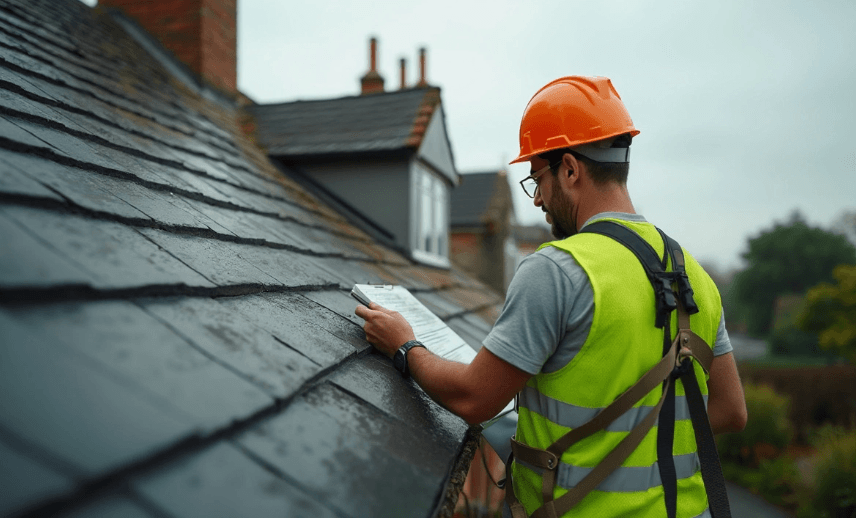
A short, regular inspection checklist simplifies roof upkeep and reduces surprises. Homeowners should scan the roof and gutters every spring and autumn, looking for missing shingles, sagging areas, moss or algae growth, and debris buildup in valleys and downspouts. From the ground, check for dark streaks or damaged flashing; from the attic, look for water stains, insulation dampness, or daylight penetration. Documenting findings with photos and dates makes it easier to track deterioration and communicate needs to contractors or neighbors.
DIY Fixes vs. Professional Repairs
Not every roof issue requires a professional; small fixes like replacing a few shingles, tightening loose flashing, or clearing gutters can be DIY projects for those comfortable with ladders and basic tools. However, complex problems—extensive shingle loss, structural sagging, recurring leaks, or steep roofs—should be handled by licensed roofers to ensure safety and warranty protection. When deciding, weigh the cost, skill required, and safety risks; choosing a reputable local contractor often saves money and stress in the long run.
Budgeting and Financing Repairs
Planning for roof repairs ahead of time helps households avoid emergency expenses that disrupt budgets. Set aside a small “home maintenance fund” monthly, or consider targeted savings for known roof lifecycles (for example, planning replacement when shingles near 20–30 years). For urgent or major repairs, explore financing options like home-equity loans, contractor payment plans, or community assistance programs that help low-income homeowners. Transparent budgeting reduces postponement of necessary repairs and keeps roofs functioning properly.
Organizing Neighborhood Roof-Check Days
Turning maintenance into a group activity boosts both efficiency and community spirit. Neighborhood roof-check days organize volunteers to help document visible roof issues, clear shared gutters in alleyways, and exchange contractor recommendations. Such events increase safety by keeping experienced individuals from working alone on ladders and spread practical knowledge about preventive measures. They also create a culture where neighbors feel comfortable reminding one another about safety concerns before small issues escalate.
Skill-Sharing and Volunteer Repair Teams
Communities can formalize help by creating skill-sharing networks or volunteer repair teams where people with roofing, carpentry, or electrical experience assist elderly or mobility-limited neighbors. This informal mutual aid reduces repair backlogs for vulnerable households and fosters trust. Clear guidelines—liability waivers, agreed safety practices, and coordination with local authorities—keep volunteer efforts effective and safe. Over time, these teams can evolve into recognized local resources that preserve homes and relationships.
Local Partnerships and Resource Pools
Partnering with local hardware stores, roofing contractors, and civic groups multiplies impact. Bulk purchasing of materials for a block, negotiated discounts from contractors, or skill workshops hosted by suppliers make repairs more affordable and accessible. Local NGOs, faith groups, or municipal programs may provide grants or workforce support for critical repairs. Creating a pooled resource approach leverages economies of scale and shows how practical collaboration turns individual maintenance into collective resilience.
Emergency Preparedness and Shared Plans
Well-maintained roofs are one aspect of disaster readiness, but communities also benefit from shared emergency plans that include roof-related contingencies. A neighborhood emergency plan can map vulnerable homes, list volunteers able to assist with tarping or temporary fixes after storms, and store contact lists for vetted contractors. Practicing these plans before a crisis builds familiarity and reduces panic, ensuring repairs and recovery happen faster and with fewer disputes.
See also: The Last Gate: What Console Certification Really Asks of an Unreal Engine Project
Communication, Trust, and Long-Term Relationships
Regular communication about maintenance and repairs strengthens trust and reduces conflict over property conditions. Simple practices—group chats, bulletin boards, or monthly check-ins—keep neighbors informed about planned repairs, contractor schedules, and safety precautions. When people understand each other’s constraints and efforts, they’re more likely to cooperate, share tools, and recommend trustworthy professionals. Over time this reciprocal support builds a resilient neighborhood culture where safety and care are collective responsibilities.
Measuring Impact: Safer Homes, Stronger Communities
Investing time and small resources into roof repairs yields measurable benefits: fewer emergency calls, reduced insurance claims, sustained property values, and lower incidence of water-related health problems. Equally important are intangible gains—stronger social ties, greater willingness to help, and a shared sense of stewardship. Tracking outcomes through neighborhood surveys or simple before-and-after records helps communities see the return on their cooperation and motivates continued participation.
Conclusion
Proactive roof repairs protect individual homes and act as a catalyst for deeper community bonds that make neighborhoods safer and more resilient. By combining practical maintenance—regular inspections, appropriate DIY or professional work, and sound budgeting—with organized neighbor actions like roof-check days, volunteer repair teams, and local partnerships, communities can prevent damage and accelerate recovery from storms. When neighbors commit to shared responsibility for roof health, they not only extend the life of their homes but also build the trust and cooperation that create a safer tomorrow.
